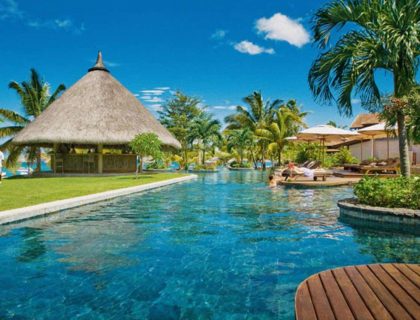
Calm, reef-protected lagoons, long white beaches and warm winter weather make Mauritius’ West Coast an easy choice for families. Then add in superb water sports, some of the islands best sunsets and easy access to wilder scenery.
Scroll for more
 The Mauritius west coast is shaped by calm water, warm light and a sense of space. Sheltered from the trade winds, it is one of the island’s warmest regions during the winter months (May to August) and remains relatively dry year-round. This combination makes it particularly appealing for relaxed beach stays.
Most west coast resorts are clustered around perhaps the best beach - Flic en Flac - home to one of the longest stretches of reef-protected white sand on the island. The lagoon here is shallow and clear, ideal for swimming, snorkelling and gentle water sports, and especially good for families. Evenings bring some of Mauritius’ finest sunsets, as the sky softens over the Indian Ocean.
The west coast also works well as a base for exploration. Just north lies Port Louis, with its lively markets and frenetic haggling opportunities, if you enjoy a bit of retail therapy.

Further south, the coastline changes character. Around Le Morne, the scenery becomes more dramatic, with the iconic mountain rising steeply from the sea. This south-western corner is the island’s prime spot for kitesurfing and windsurfing, thanks to stronger breezes and open stretches of water.
It is also one of the least developed parts of Mauritius, appealing to those who enjoy balancing beach time with exploration and hiking.
Beyond the sheltered lagoons Bel Ombre, the south-west coast is more exposed.
 Waves crash against cliffs, swimming is limited, and beaches are fewer. But so are visitors. This is a rewarding area for those interested in walking, hiking and getting a feel for real life on Mauritius. Plus the historic villages of Soulliac and Mahebourg are well worth a visit.
Inland, the landscape of South West Mauritius becomes greener and more dramatic. The volcanic lake at Grand Bassin is an important spiritual site, while the waterfalls, forested ravines and hiking trails of Black River Gorges National Park and the Chamarel Falls offer a glimpse of a wilder Mauritius.
(The south coast faces the trade winds all year around. So this area comes into its own in the hot summer season. But it may be a little too breezy for a beach holiday in the winter months of May to August?)
 When is the best time to visit the West Coast?
The west coast is especially appealing in the winter months (May to August), when it is warmer and more sheltered than other parts of Mauritius.
Is the West Coast good for families?
Yes. The calm lagoons and long, shallow beaches around Flic en Flac are particularly family-friendly, with a wide range of water sports available.
Is swimming possible everywhere along the West Coast?
Swimming is excellent in the central west around Flic en Flac and Bel Ombre, but further south-west the coastline is more exposed, with stronger currents and more limited swimming.
Let us help you choose the right west coast base — from easy family resorts to quieter lodges near Le Morne

Only the best African travel advice, tidbits and tours. No nonsense.